Netgear R6300 v2 Login: Default Password

Netgear R6300 v2 Default Login and Password I know the feeling: the Netgear R6300 v2…
Netgear R6300 v2 Default Login and Password
I know the feeling: the Netgear R6300 v2 is online, the Wi-Fi works, but the admin page will not accept the password you are sure is right. I have been stuck on that screen myself, and the fix is usually a changed password, not a broken router.
This guide gives you the correct R6300 v2 login, the routerlogin.net shortcut, and the reset fix that works when nothing else does.
Log in to the Netgear R6300 v2 at 192.168.1.1 with the username admin and the password password. You can also open routerlogin.net, which takes you to the same login page.
The fastest way in: tap the button below, then sign in with the details in the box.
IP Address: 192.168.1.1
Username: admin
Password: password
Login to Admin Panel →This button opens our 192.168.1.1 login guide, which takes you to the router itself. It works only when your device is connected to that router, by WiFi or cable.
How to Log in to the Netgear R6300 v2
I walk through this in the same order every time, because the order keeps a login from going wrong. Connect to the router first, then open the login page.
- Connect your computer or phone to the Netgear R6300 v2 with an Ethernet cable or over Wi-Fi.
- Open a browser and go to 192.168.1.1. You can also type routerlogin.net in the address bar.
- Type admin in the username field and password in the password field.
- Click Log In. The NETGEAR genie dashboard opens, and you can change the Wi-Fi details or check connected devices.

Netgear R6300 v2 Default Username and Password
I have seen this catch owners out: older R6300 v2 builds can ship with a different default password. The table below lists every combination I could verify, so try the top row first.
| Model | Username | Password | Login IP |
|---|---|---|---|
| R6300 v2 (most common) | admin | password | 192.168.1.1 |
| R6300 v2 (Charter version) | admin | password | 192.168.1.1 |
| R6300 v2 (older builds) | admin | 1234 | 192.168.1.1 |
If your unit is not in the table, start with admin and password. That is the default in Netgear’s own R6300v2 user manual, and 1234 is the fallback on older builds.
Change Netgear R6300 v2 WiFi Password and Network Name
I change the Wi-Fi password first on every router I set up, because the factory password is the same on every unit. Once you are logged in, the change takes about a minute.
- Log in at 192.168.1.1 with your admin password.
- Open Wireless Settings in the genie dashboard.
- Type your new network name (SSID) in the network name box and save it.
- Set the security to WPA2-PSK, then type a new Wi-Fi password.
- Save the settings, then reconnect your devices with the new password.
Use a password of at least 12 characters with letters and numbers, and do not reuse a password from anywhere else. I write the new password down before I save it, so I am not locked out of my own Wi-Fi.
Netgear R6300 v2 Login Not Working?
I start with the connection itself, because that is where most login failures begin.
- Make sure your device is connected to the R6300 v2 network, not to mobile data or a different Wi-Fi network.
- If routerlogin.net opens the Netgear website instead of your router, use 192.168.1.1 directly.
- Try password first, then 1234 on older builds. The Wi-Fi password and the admin password are not the same thing.
- Check that Caps Lock is off, and type the password exactly as it is — passwords are case-sensitive.
- Restart the router: unplug it, wait 30 seconds, and plug it back in.
If you still cannot log in because the password was changed and forgotten, reset the router to factory settings: press and hold the recessed Reset button for about 10 seconds with a paperclip, then let go.
A reset erases every setting, and you will need to run the genie setup again. For the full Netgear login guide, see our Netgear router login page.
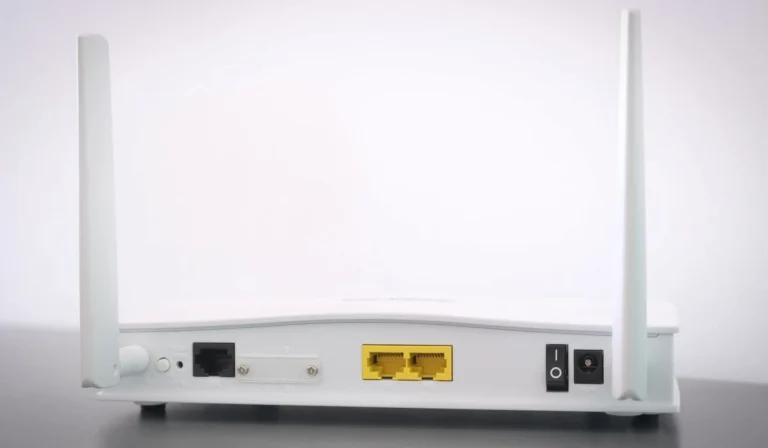
The Netgear R6300 v2 is an AC1750 dual-band 802.11ac Smart WiFi router with four Gigabit LAN ports, NETGEAR genie setup, and a USB port for sharing a drive or printer.