192.168.1.185 — What It Is & Why It Has No Login

Find which device holds 192.168.1.185, a private address with no login page, then reach your router at 192.168.1.1. Steps and fixes inside.
I keep meeting 192.168.1.185 in two places: in network guides that use it as a static IP example, and in device lists where it belongs to an ordinary gadget. Both sightings cause the same confusion, because people type it into a browser and expect a router login page.
There is no login page here. It is a device address, and I explain what it means below, plus where your real router login lives.
192.168.1.185 is a device address on your home network, not a router login page. Your router is usually at 192.168.1.1 — open that address to reach its settings.
That is why typing it into a browser does nothing. If you want your router settings, you need the gateway address, and I show you how to find it below.
What Is 192.168.1.185?
I treat this address like a house number. It belongs to one device on your network, and it only works inside your home.
192.168.1.185 sits in the 192.168.1.0/24 range, the private range most home routers use. Your router hands out addresses from 192.168.1.2 to 192.168.1.254 to the devices that connect, and .185 is simply one of them.
| Address | Role |
|---|---|
| 192.168.1.0 | Network address (not usable) |
| 192.168.1.1 | Usually the router |
| 192.168.1.2 to 192.168.1.254 | Devices |
| 192.168.1.185 | One device on your network |
| 192.168.1.255 | Broadcast address (not usable) |
Because it is a private address, it is never routed on the internet. Millions of homes use 192.168.1.185 at the same time, and each one means a different device.
Why Guides Use 192.168.1.185 as an Example
In my experience, this is where most people first see the number. Network guides often pick 192.168.1.185 when they show how to set a static IP, because it sits near the top of the range and clear of most automatic assignments.
That is only an example, not a rule. Your own device may hold a very different number, and the example address will not open anything on your network.
If a guide tells you to use 192.168.1.185 as a static address, check your router’s DHCP range first. Picking a number inside the automatic pool can cause two devices to claim the same address.
How to Find the Address You Actually Need
Most people who search for a device address are really looking for their router login or their own device address. Here is how to find both in under a minute.
- Router address (default gateway): on Windows run
ipconfigand read Default Gateway. On Mac open System Settings, Network, Details, TCP/IP and read Router. On phones open your WiFi network details. - Your device address: the IPv4 Address on Windows, IP Address on Mac and phones.
- Every device on your network: log in to the router and open the connected devices or DHCP client list.
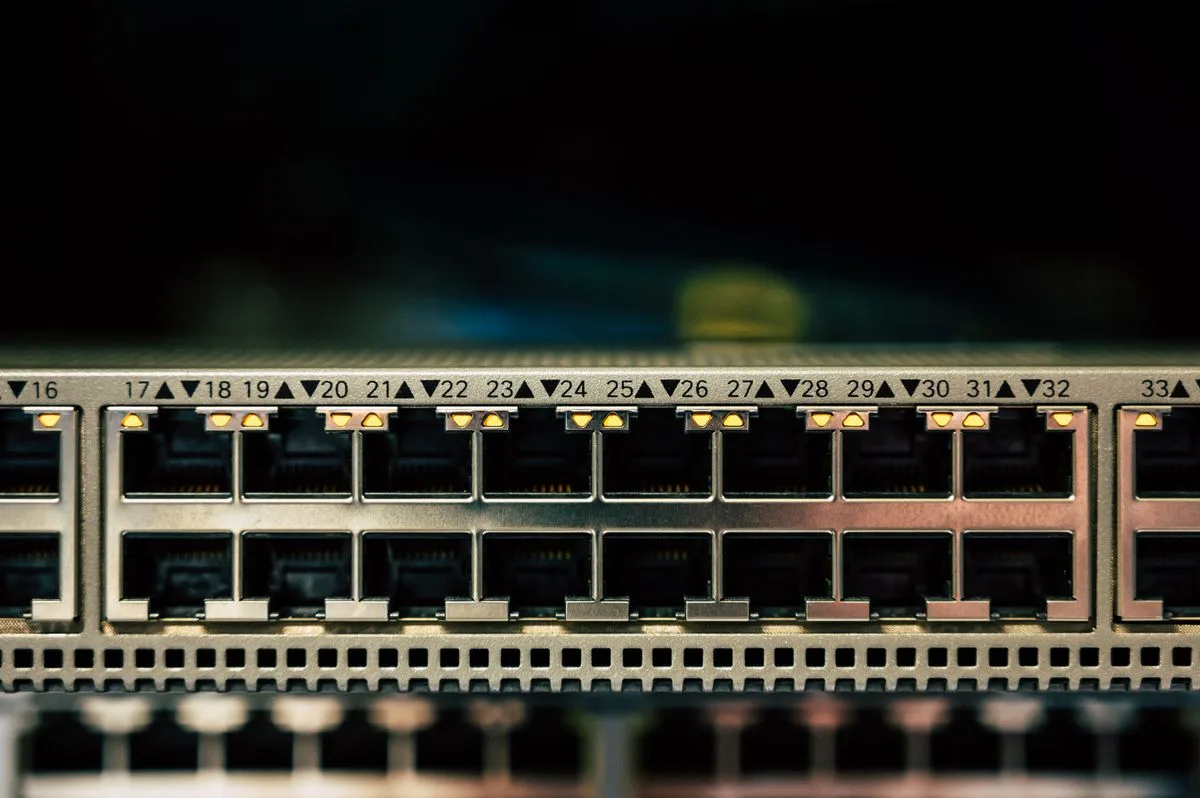
Not sure which one is your router? Your gateway is usually 192.168.1.1. If you are still stuck, our Router IP Finder walks you through it, and the Subnet Calculator shows the full range for any address.
Common Mistakes With 192.168.1.185
I have seen the same few mix-ups again and again, and each one is a quick fix.
- Typing it into Google. An IP address goes in the browser’s address bar, not the search box. Search results will never open your router.
- Mixing it up with 192.168.1.1. The router is almost always .1, while .185 is a device. If you want settings, use .1.
- Reading it as 192.168.1.18 or 192.168.1.15. One wrong digit points at a different device, so copy the number exactly.