192.168.100.1 IP Address
192.168.100.1 IP Address
Click on the button below to enter the admin interface of your router.
Accessing Your Router Through 192.168.100.1
Before you can customize your network settings, your device must be connected to the router either through Wi-Fi or an Ethernet cable. Once the connection is established, the router becomes accessible through its default gateway address, allowing you to manage every aspect of your network from a single dashboard.
The 192.168.100.1 router login page serves as the gateway to the router’s administrative controls. By entering this IP address into a web browser, users can access settings related to wireless security, network performance, connected devices, and internet configuration.
What Can You Do From the Router Dashboard?
The router administration interface provides complete control over your local network. From this dashboard, users can change Wi-Fi passwords, update the network name, block unauthorized devices, configure parental controls, and strengthen network security.
Many modern routers also offer advanced features such as bandwidth management, guest network creation, firewall configuration, and firmware updates. These tools help improve both network performance and overall security.
Unable to Reach 192.168.100.1?
If the login page does not open, the router may be configured with a different gateway address. This can happen due to ISP-specific settings, custom configurations, or different router models. Checking the router label or reviewing your device’s network information can help identify the correct default gateway.
Once logged in successfully, it is recommended to update the default administrator credentials and review your wireless security settings to protect the network from unauthorized access.
Protect Your Router Login Credentials
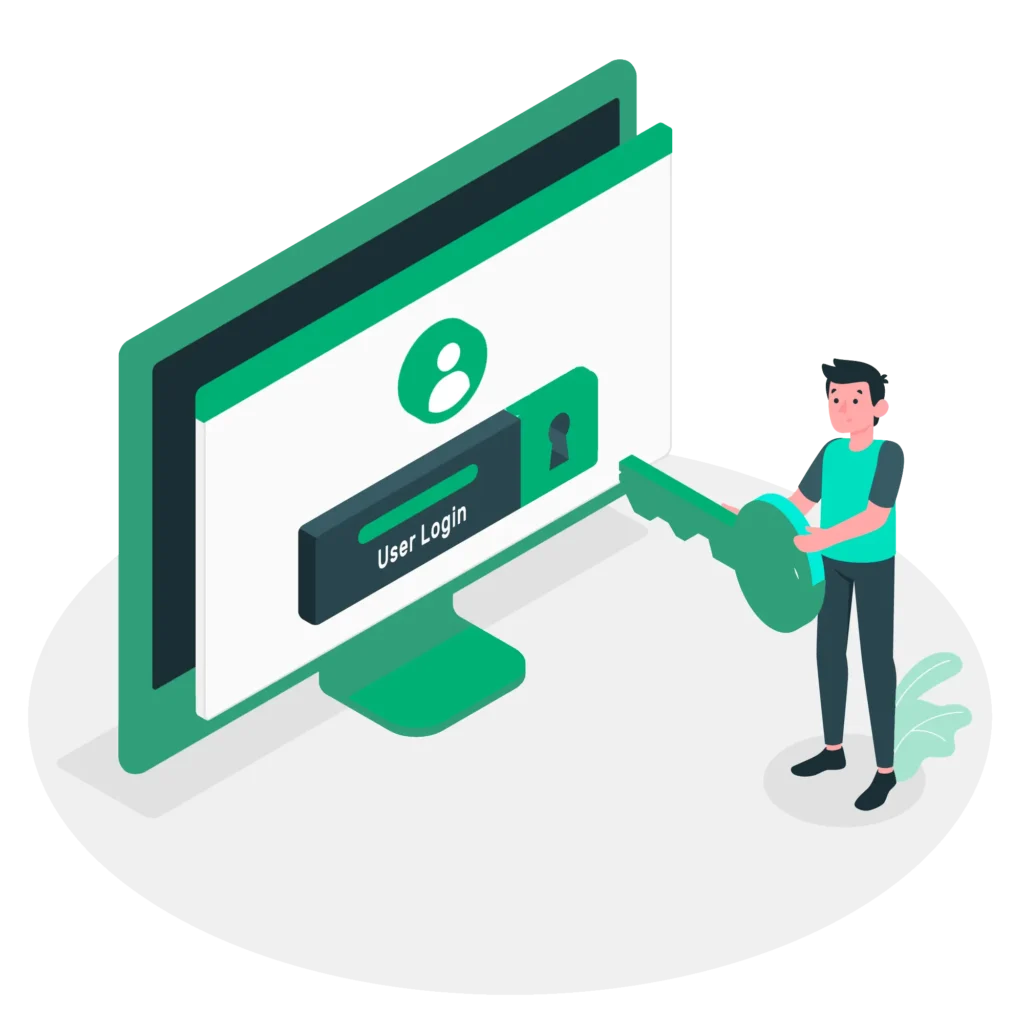
Your router’s administrator username and password act as the first line of defense against unauthorized access. If these credentials fall into the wrong hands, someone could gain control of your network, modify security settings, disconnect devices, or monitor network activity without your knowledge.
For maximum protection, use a strong password that combines letters, numbers, and special characters. Avoid using common passwords or personal information that can be easily guessed. It is also recommended to store your login credentials securely and never share them with anyone who does not need administrative access.
Regularly updating your router password and reviewing security settings can significantly reduce the risk of unauthorized access while helping maintain a secure and reliable home or business network.
Router Security Best Practices
Many users configure their router once and never revisit the settings again. However, regularly reviewing your router configuration can help prevent security risks and improve network performance.
One of the most effective security measures is monitoring the list of connected devices. Unknown devices may indicate unauthorized access to your network. Most modern routers allow users to view, block, or restrict suspicious connections directly from the administration panel.
Enabling advanced security features such as firewall protection, automatic firmware updates, and encrypted wireless protocols can further strengthen network security. These tools help defend against common cyber threats while ensuring a safer browsing experience for all connected devices.
A well-maintained router not only protects your personal data but also improves connection stability, reduces network interruptions, and provides better control over internet usage.
Understanding the 192.168.100.1 Router IP Address
The 192.168.100.1 IP address is commonly used by routers, modems, and networking devices as a management gateway. It acts as a local access point that allows users to communicate directly with their networking equipment without requiring an internet connection.
When a router is assigned 192.168.100.1, users can enter this address into a web browser to open the router’s login page. From there, administrators can configure wireless settings, manage internet connections, update security preferences, and monitor network activity.
Why Is 192.168.100.1 Important?
Every local network requires a central point that controls how data moves between connected devices and the internet. The 192.168.100.1 address often serves this role by enabling communication between the router and devices connected to the network.
Without a gateway address, routers would not be able to efficiently manage traffic, assign local IP addresses, or provide access to administrative settings.
Common Uses of 192.168.100.1
Users typically access the 192.168.100.1 admin page when they need to:
- Change Wi-Fi network settings
- Reset or update router passwords
- Configure internet connection parameters
- View connected devices
- Improve network security
- Troubleshoot connectivity issues
- Update router firmware
Which Devices May Use 192.168.100.1?
Although many people associate this IP address with traditional routers, it is also commonly found in cable modems, fiber gateways, wireless access points, and hybrid networking devices. The exact implementation depends on the manufacturer and internet service provider.
Can You Change the 192.168.100.1 Address?
Yes. Most routers allow administrators to modify the default gateway IP through the settings dashboard. However, changing this address is generally recommended only for advanced users who understand network configuration, as incorrect changes can temporarily interrupt access to the router.
Understanding the purpose of 192.168.100.1 can help users troubleshoot network problems, strengthen security settings, and make better use of their router’s management features.